Civil vs mechanical: what stays still, and what moves.
Civil engineers design structures and infrastructure that hold still under load. Mechanical engineers design machines and thermal systems that move. Mechanical pays a little more at the median and grows faster; civil has more jobs and a stronger link to the PE license.
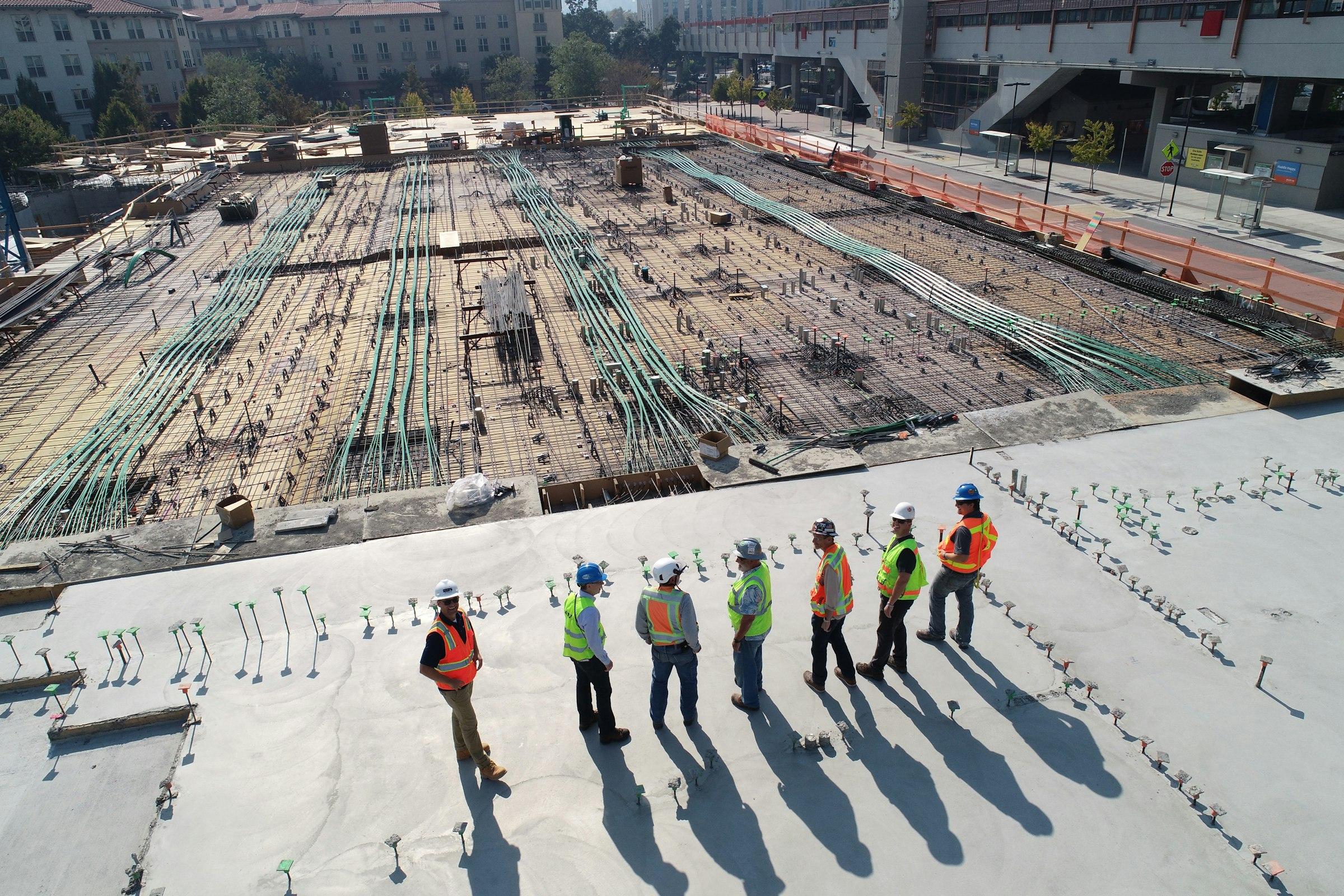
Bridges, roads, water and foundations. Growth 6% to 2035.
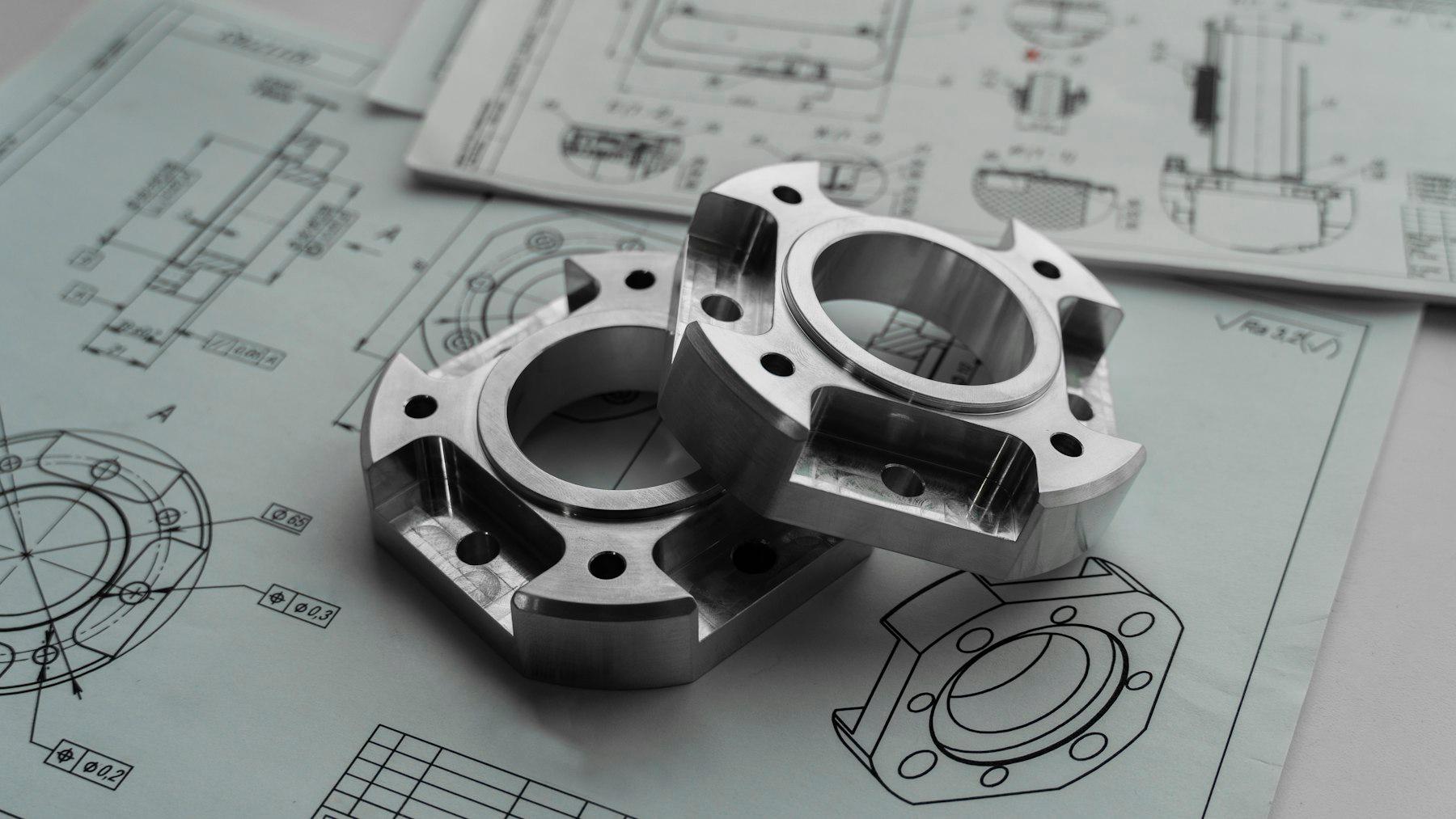
Engines, HVAC, robots and devices. Growth 11% to 2035.
What is the difference between civil and mechanical engineering?
The difference is motion. Civil engineering keeps loads still and safe for decades: structures, soils, water and transport. Mechanical engineering makes energy and motion useful: engines, pumps, HVAC and robots. Both share statics and materials in the first two years, then split.
- Median pay, May 2025
- Civil$100,840
- Mechanical$104,110
- Pay range (10th–90th)
- Civil$68,240 – $163,220
- Mechanical$73,990 – $164,340
- Jobs, 2025
- Civil380,600
- Mechanical298,500
- Growth, 2025–35
- Civil6% (faster than average)
- Mechanical11% (much faster than average)
- Openings a year
- Civil22,700
- Mechanical17,800
- Best-paying big employer
- CivilLocal government, $113,640
- MechanicalScientific R&D, $132,040
- FE exam
- CivilFE Civil
- MechanicalFE Mechanical
- PE license
- CivilNeeded to offer services to the public
- MechanicalOptional for most roles
Source: BLS OOH, civil and mechanical engineers; wages OEWS May 2025; projections 2025–35. Checked November 27, 2026.
Who designs what: civil or mechanical?
Big projects need both. The rule of thumb: if it carries load and stays put, it is civil; if it moves fluid, heat or parts, it is mechanical. Filter eight real-world projects to see where the line falls, and where the two share the job.
- CivilA highway bridge
Loads, foundations and the structure itself.
- MechA car engine
Combustion, heat and moving parts.
- MechA hospital's HVAC plant
Air, heat and pumps: a classic mechanical PE area.
- CivilA water treatment works
Hydraulics and water resources, often with environmental engineers.
- Civil + MechA tunnel-boring machine
Mechanical designs the machine; civil designs the tunnel.
- Civil + MechA skyscraper
Civil and structural engineers frame it; mechanical engineers heat, cool and move people.
- Civil + MechA wind turbine
Mechanical for the drivetrain and blades; civil for the foundation.
- MechA robot arm
Kinematics, actuators and control, often with electrical engineers.
Civil vs mechanical engineering: questions
Is civil or mechanical engineering better?
Mechanical has a slight edge on median pay ($104,110 vs $100,840 in May 2025) and faster projected growth (11% vs 6%). Civil has more jobs (380,600 vs 298,500), steadier public-sector demand and a clearer path to a PE license. Better depends on whether you want structures or machines.
Which is harder, civil or mechanical engineering?
Mechanical usually covers more subjects: thermodynamics, fluids, heat transfer, dynamics and machine design on top of shared statics and materials. Civil goes deeper on structures, soils, hydraulics and codes. Students who dislike thermodynamics tend to find civil easier.
Do civil engineers need a PE license?
Not to start. BLS says licensure is not required for entry-level civil engineers, but civil engineers typically must be licensed if they provide services directly to the public. Because so much civil work is public infrastructure, the PE matters more for a civil career than for most mechanical ones.
Can a mechanical engineer become a civil engineer?
Yes, with some catching up on structures, soils and hydraulics. A mechanical graduate can sit the FE Civil exam, work under a licensed civil engineer and build the experience a state board accepts. Building services (HVAC, plumbing, fire protection) is a common bridge between the two.