Interested in buying Buy engineeringjob.com? Contact us

The PE license, in four stations.

To become a Professional Engineer you usually need an EAC/ABET-accredited degree, a pass on the FE exam, about four years of supervised experience, and a pass on the PE exam. Your state board then issues the license that lets you sign and seal engineering work for the public.

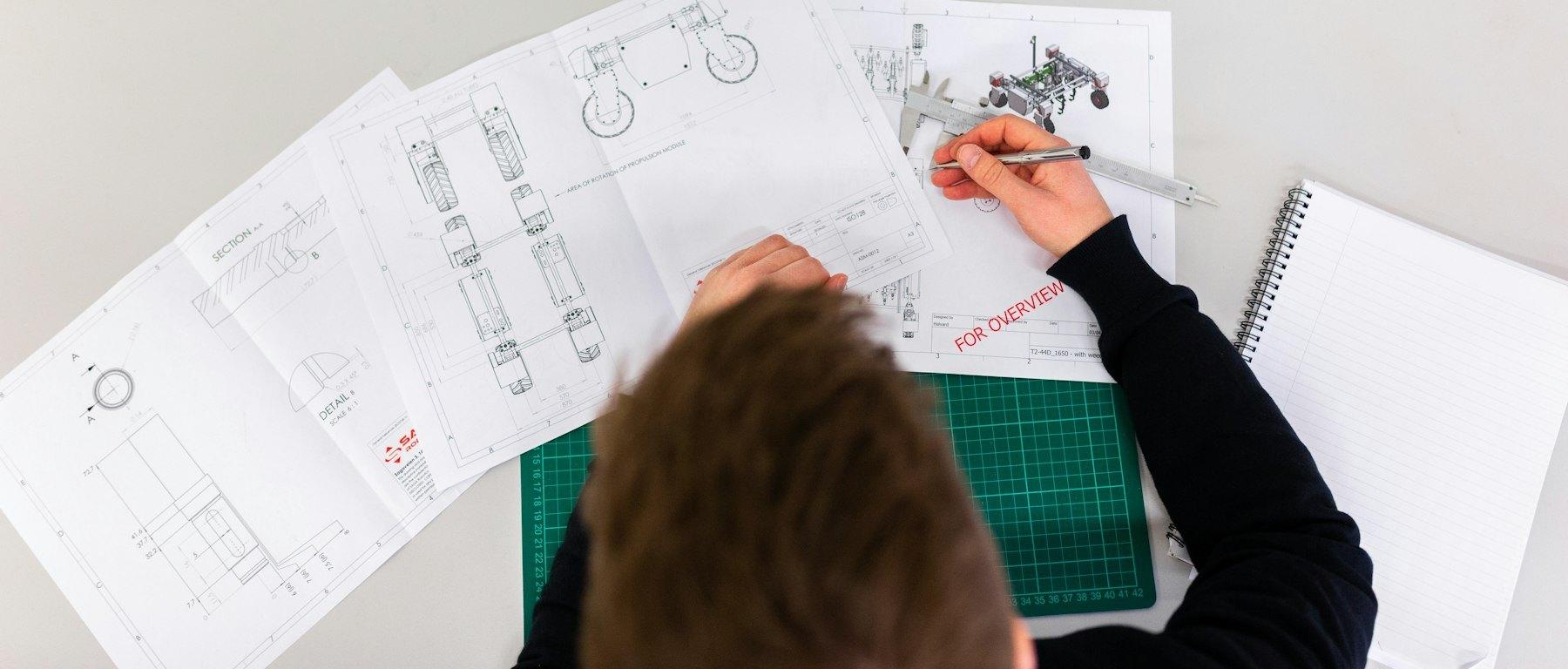
Two engineers reviewing a large drawing on a wooden drafting table
PE Civil exam
80 questions9 h appointment$400 fee
  1. 01DegreeEAC/ABET bachelor's
  2. 02FE exam110 Qs · $225
  3. 03Experienceusually 4 years
  4. 04PE examthen the state board
01

Do I need an ABET degree to get a PE?

Usually yes. NCEES describes the standard route as a bachelor's degree from an EAC/ABET-accredited program, then the FE, experience and the PE. Many states offer other paths, for example extra experience for non-accredited or foreign degrees, so check your state board early.

Not sure if your program qualifies? Check its ABET accreditation.
02

When should I take the FE exam?

As close to graduation as you can, while the fundamentals are fresh. The FE is aimed at recent graduates and students near the end of an ABET-accredited degree, and it is offered year-round at Pearson test centers, so you can book it around finals.

Everything about the format, fee and retakes is on our FE exam sheet.

03

What experience counts toward a PE license?

Most states ask for four years of acceptable, progressive and verifiable engineering experience. In practice that means increasingly responsible work, usually supervised by a licensed PE who can vouch for it. Keep a log of projects, dates and supervisors from your first job.

04

What is on the PE exam?

The PE tests practice in one discipline. NCEES offers more than 20 PE exams. PE Civil, for example, has 80 questions over 8 hours of exam time in a 9-hour appointment, with five specialty areas: construction, geotechnical, structural, transportation, and water resources and environmental.

Which PE exams does NCEES offer?

NCEES writes more than 20 PE exams. Civil and mechanical are split into specialty exams, and electrical and computer into three. Pick the exam for the work you will stamp; your license is not limited to one discipline in most states, but your ethics rules limit you to work you are competent in.

Source: NCEES licensure and PE Civil pages, checked November 27, 2026. Licensing rules are set by each state board.

PE license: questions

How long does it take to get a PE license?

Usually about eight years after starting college: four for an accredited bachelor's degree and about four of qualifying experience, with the FE taken near graduation and the PE once the experience is in. Some states let you sit the PE before the experience is complete, then license you once it is.

How much does the PE exam cost?

NCEES lists a $400 exam fee for the PE Civil exam, paid directly to NCEES; each other PE exam lists its fee on its own NCEES page. State boards may charge their own application and license fees on top, which vary by state.

Is the PE exam computer-based?

Yes. The PE Civil exam, for example, is computer-based and given year-round at NCEES-approved Pearson test centers. It has 80 questions in a 9-hour appointment, of which 8 hours are exam time, with a 50-minute scheduled break.

Can I use my PE license in another state?

Not automatically: each state licenses separately. Most offer licensure by comity for engineers already licensed elsewhere, and an NCEES Record, which stores your verified education, exams and experience, makes applying to more states quicker.