Types of engineering, as a periodic table.
There are dozens of engineering specialties, but ten cover most jobs: civil, mechanical, electrical, software, chemical, aerospace, industrial, biomedical, environmental and computer hardware. Each one solves a different kind of problem, takes a different FE exam and pays differently.
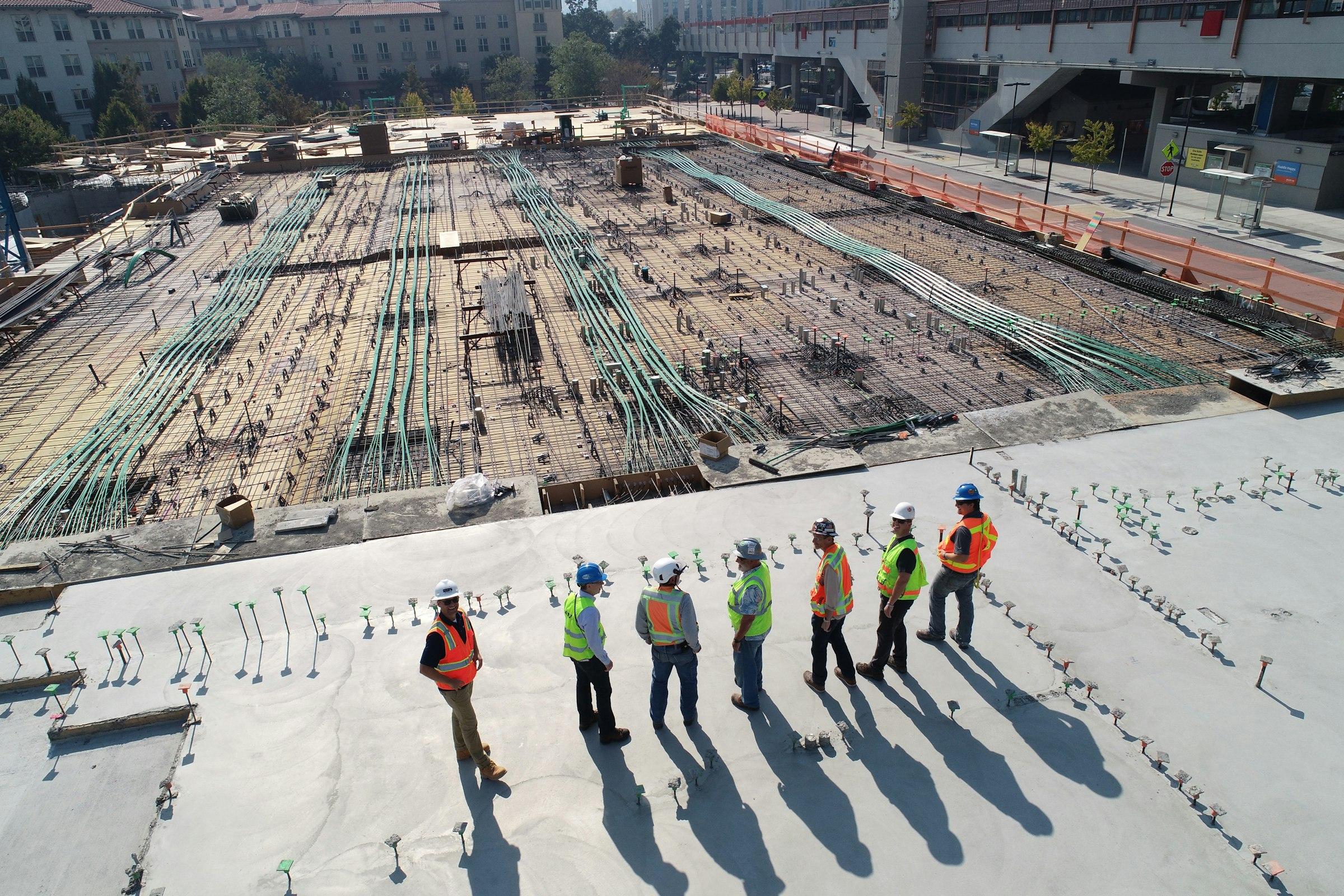
Plan, design and supervise the construction and upkeep of buildings and infrastructure.
- Median pay
- $100,840
- Jobs
- 380,600
- Growth to 2035
- 6%
What are the different types of engineering?
Engineering splits by what you design. Civil engineers design things that stay still, mechanical engineers things that move, electrical engineers things that carry current, chemical engineers processes that change matter, and software engineers code. Most other fields, from aerospace to biomedical, combine two or more of these.
| Discipline | Median pay, May 2025 | Jobs, 2025 | Growth 2025–35 |
|---|---|---|---|
| CvCivil | $100,840 | 380,600 | 6% |
| MeMechanical | $104,110 | 298,500 | 11% |
| ElElectrical | $125,040 | 297,900 | 8% |
| SwSoftware | $135,980 | 1,905,400 | 10% |
| ChChemical | $125,040 | 21,900 | 5% |
| AeAerospace | $134,960 | 68,700 | 8% |
| InIndustrial | $102,440 | 365,100 | 12% |
| BmBiomedical | $109,370 | 23,800 | 8% |
| EnEnvironmental | $107,110 | 39,100 | 6% |
| HwComputer hardware | $161,740 | 76,100 | 9% |
Source: BLS Occupational Outlook Handbook, wages from OEWS May 2025, projections 2025–35. All occupations grow 3% over the same decade. Checked November 27, 2026.
What does a civil engineer do?
BLS title: Civil engineersCivil engineers plan, design and supervise the construction and upkeep of buildings and infrastructure. Typical work: bridges, roads and transit, water systems, foundations. The FE exam that fits is FE Civil, and the median pay in May 2025 was $100,840.
- Median
- $100,840
- Jobs
- 380,600
- Growth
- 6%
- Openings/yr
- 22,700
What does a mechanical engineer do?
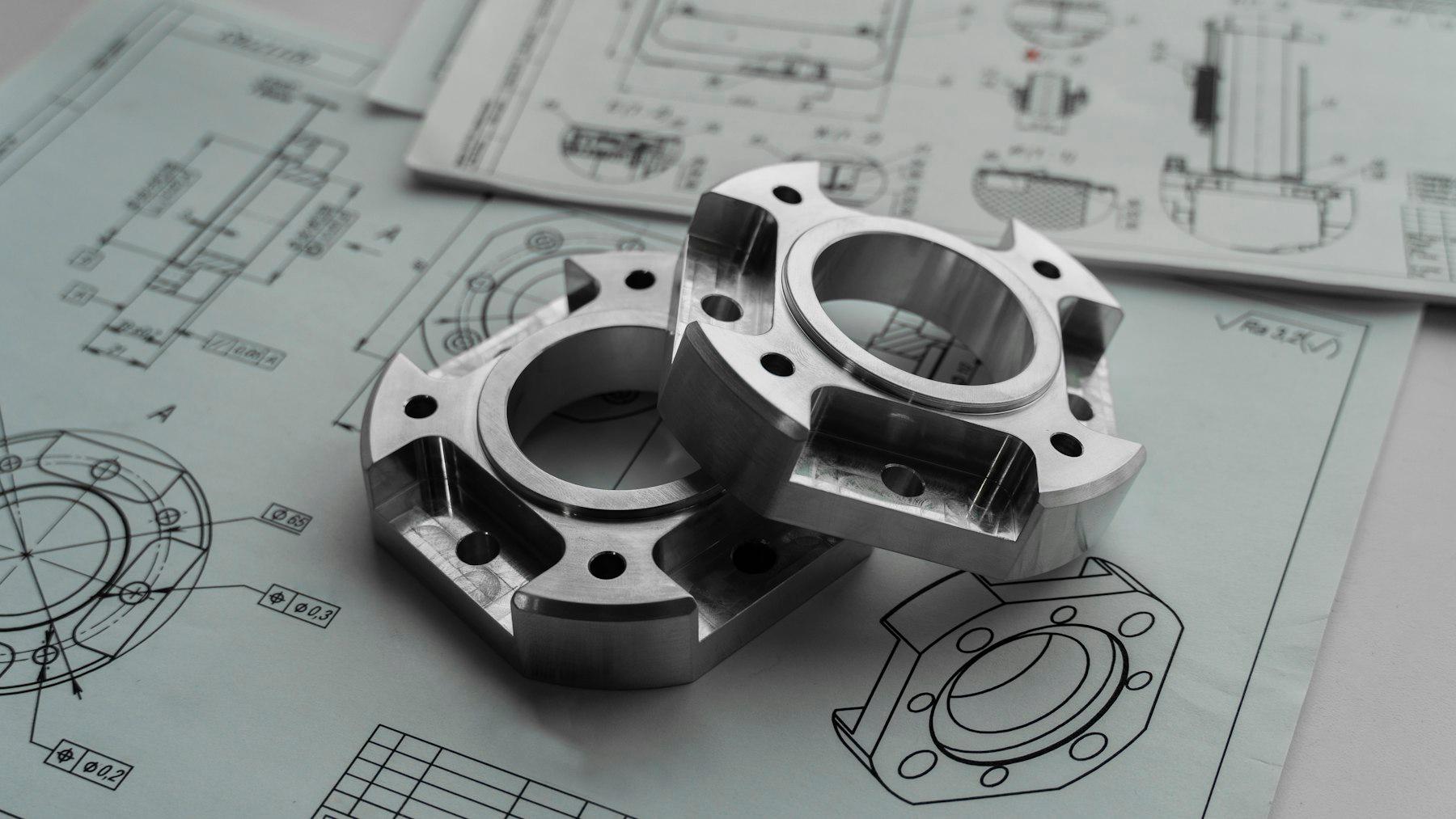
BLS title: Mechanical engineersMechanical engineers design, develop, build and test mechanical and thermal devices, from sensors to engines. Typical work: engines, hvac, robots, medical devices. The FE exam that fits is FE Mechanical, and the median pay in May 2025 was $104,110.
- Median
- $104,110
- Jobs
- 298,500
- Growth
- 11%
- Openings/yr
- 17,800
What does an electrical engineer do?
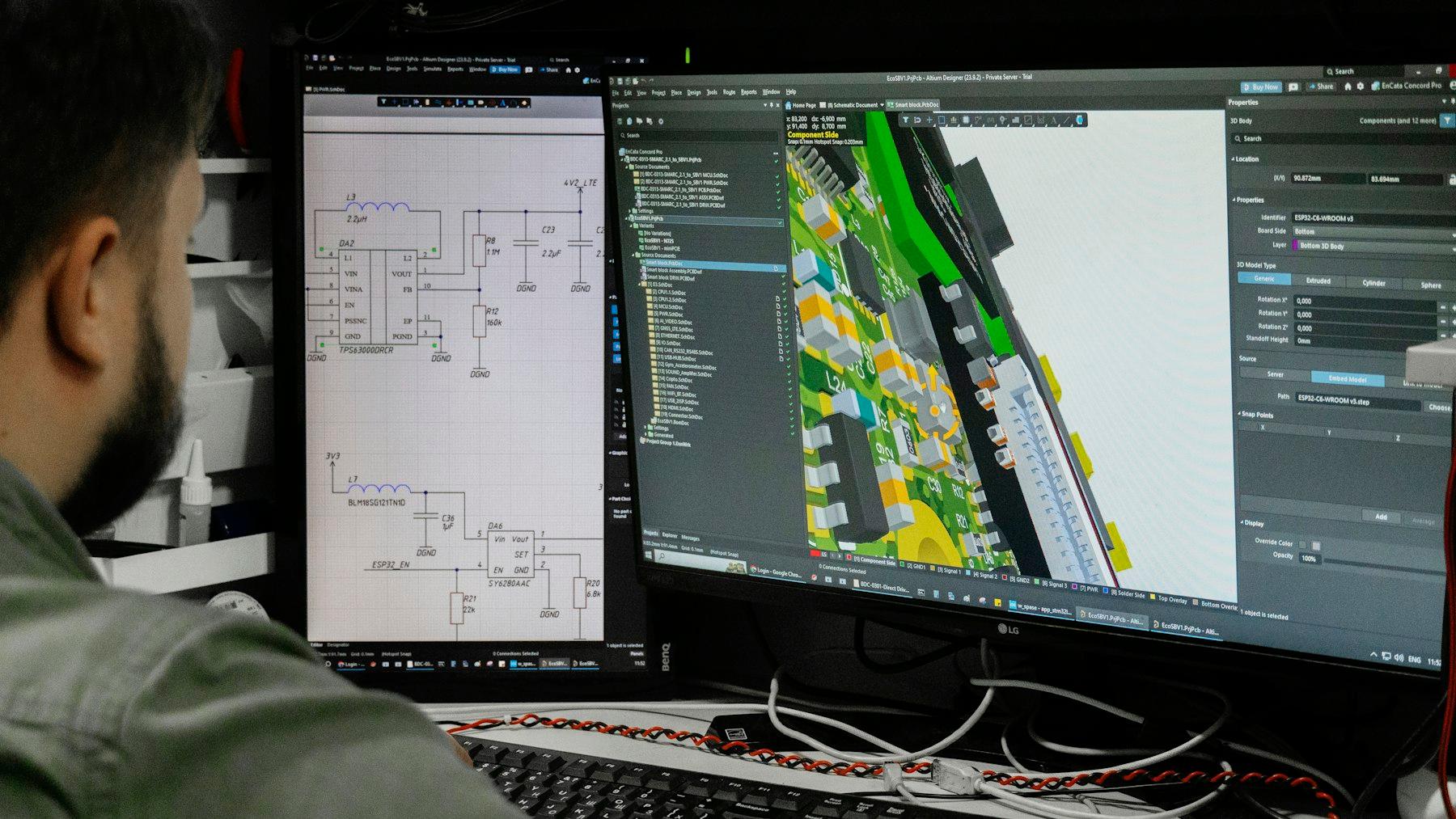
BLS title: Electrical and electronics engineersElectrical engineers design, develop and test electrical equipment: motors, power systems, navigation and communications. Typical work: power grids, motors, electronics, controls. The FE exam that fits is FE Electrical and Computer, and the median pay in May 2025 was $125,040.
- Median
- $125,040
- Jobs
- 297,900
- Growth
- 8%
- Openings/yr
- 16,300
What does a software engineer do?
BLS title: Software developersSoftware engineers design the applications and systems that run on computers and devices. BLS counts them as software developers. Typical work: applications, embedded code, cloud systems, tools. The FE exam that fits is No FE track (rarely licensed), and the median pay in May 2025 was $135,980.
- Median
- $135,980
- Jobs
- 1,905,400
- Growth
- 10%
- Openings/yr
- 106,100
What does a chemical engineer do?
BLS title: Chemical engineersChemical engineers combine chemistry, physics and engineering to design equipment and processes for making products. Typical work: fuels, plastics, pharmaceuticals, paper. The FE exam that fits is FE Chemical, and the median pay in May 2025 was $125,040.
- Median
- $125,040
- Jobs
- 21,900
- Growth
- 5%
- Openings/yr
- 1,100
What does an aerospace engineer do?
BLS title: Aerospace engineersAerospace engineers design and test aircraft, spacecraft and missiles, and build prototypes to prove they work. Typical work: aircraft, spacecraft, satellites, propulsion. The FE exam that fits is FE Mechanical or Other Disciplines, and the median pay in May 2025 was $134,960.
- Median
- $134,960
- Jobs
- 68,700
- Growth
- 8%
- Openings/yr
- 3,800

What does an industrial engineer do?
BLS title: Industrial engineersIndustrial engineers design, develop and test integrated systems for managing industrial production processes. Typical work: factories, supply chains, quality systems, logistics. The FE exam that fits is FE Industrial and Systems, and the median pay in May 2025 was $102,440.
- Median
- $102,440
- Jobs
- 365,100
- Growth
- 12%
- Openings/yr
- 23,100

What does a biomedical engineer do?
BLS title: Bioengineers and biomedical engineersBiomedical engineers apply engineering with biology and medicine to create equipment, devices, computer systems and software. Typical work: implants, imaging, prosthetics, lab devices. The FE exam that fits is FE Other Disciplines, and the median pay in May 2025 was $109,370.
- Median
- $109,370
- Jobs
- 23,800
- Growth
- 8%
- Openings/yr
- 1,200
What does an environmental engineer do?
BLS title: Environmental engineersEnvironmental engineers use engineering to solve problems of planetary health: water, air, waste and remediation. Typical work: water treatment, air quality, remediation, waste systems. The FE exam that fits is FE Environmental, and the median pay in May 2025 was $107,110.
- Median
- $107,110
- Jobs
- 39,100
- Growth
- 6%
- Openings/yr
- 2,300
What does a computer hardware engineer do?
BLS title: Computer hardware engineersComputer hardware engineers research, design, develop and test computers and related equipment: chips, boards, memory, networks. Typical work: processors, circuit boards, memory, routers. The FE exam that fits is FE Electrical and Computer, and the median pay in May 2025 was $161,740.
- Median
- $161,740
- Jobs
- 76,100
- Growth
- 9%
- Openings/yr
- 4,100
What are the 20 types of engineering?
Counting specialties, there are well over 20 kinds of engineering. These twenty are the branches most often named, grouped under the ten disciplines above. Each one has its own degree programs at some universities, but most share the first two years with their parent discipline.
Civil
- Civil engineeringInfrastructure: roads, bridges, water and buildings.
- Structural engineeringFrames, beams and foundations that carry load.
- Geotechnical engineeringSoil, rock and the ground under every structure.
Mechanical
- Mechanical engineeringMachines, engines and thermal systems.
- Mechatronics engineeringMechanical design combined with electronics and control.
- Nuclear engineeringReactors, radiation and nuclear power systems.
Electrical
- Electrical engineeringMotors, machines and electrical equipment.
- Power engineeringGeneration, transmission and distribution of electricity.
- Electronics engineeringCircuits, boards and signals.
- Control systems engineeringFeedback, automation and instrumentation.
Software
- Software engineeringApplications, systems and embedded code.
Chemical
- Chemical engineeringProcesses that turn raw materials into products.
- Petroleum engineeringFinding and producing oil and gas.
- Materials engineeringMetals, polymers, ceramics and composites.
Aerospace
- Aerospace engineeringAircraft, spacecraft and propulsion.
Industrial
- Industrial engineeringProduction systems, quality and logistics.
Biomedical
- Biomedical engineeringMedical devices, implants and imaging.
Environmental
- Environmental engineeringWater, air, waste and remediation.
- Agricultural engineeringFarm machinery, irrigation and food systems.
Computer hardware
- Computer engineeringProcessors, boards, memory and networks.
How do I choose a type of engineering?
Start from the problems you like, not the salary table. If you like big physical things, look at civil. If you take machines apart, mechanical. If you like circuits or abstract maths, electrical. If chemistry is your best science, chemical. Then check the program is ABET-accredited before you enrol.
Types of engineering: common questions
Which type of engineer is the highest paid?
By BLS median pay for May 2025, computer hardware engineers lead at $161,740 a year, followed by petroleum engineers at $144,910, software developers at $135,980 and aerospace engineers at $134,960. Medians describe the middle earner; the top 10% in each field earn far more, and pay varies widely by industry and region.
What are the 20 types of engineering?
Twenty common branches are civil, structural, geotechnical, mechanical, mechatronics, nuclear, electrical, power, electronics, control systems, software, chemical, petroleum, materials, aerospace, industrial, biomedical, environmental, agricultural and computer engineering. Most grow out of the four classic branches, civil, mechanical, electrical and chemical, and many universities group them the same way.
What are the four main types of engineering?
Civil, mechanical, electrical and chemical engineering are usually called the four classic branches, because most other fields grew out of them. Aerospace grew from mechanical, computer hardware from electrical, environmental from civil and chemical, and biomedical from all of them plus biology.
Which type of engineering has the most jobs?
Software developers are by far the largest group BLS counts, at 1,905,400 jobs in 2025. Among the traditional branches, civil engineers (380,600) lead, followed by industrial (365,100), mechanical (298,500) and electrical and electronics engineers (297,900). Chemical engineering is one of the smallest, at 21,900 jobs.
Which type of engineering is the easiest?
No accredited engineering degree is easy: all of them rest on calculus, physics and years of problem sets. What changes is the flavour. Industrial engineering leans on statistics and systems, civil on mechanics and materials, electrical on abstract maths. The easiest one for you is the one whose problems you enjoy.
Is software engineering real engineering?
It is an engineering discipline, and ABET accredits software engineering degrees through its Engineering Accreditation Commission. In practice most software engineers are never licensed: BLS counts them as software developers, and NCEES no longer offers a PE exam for software.