Interested in buying Buy engineeringjob.com? Contact us

Mechanical

$104,110

median pay · growth 11% to 2035

Mechanical vs electrical engineering

Mechanical engineers design things that move; electrical engineers design the power and signals that make them move. Electrical pays more at the median, mechanical is projected to grow faster, and the two meet in robotics, controls and electric vehicles.

Electrical

$125,040

median pay · growth 8% to 2035

Is mechanical or electrical engineering better?

Neither is better in general. Electrical engineering pays about $21,000 more at the median and suits people who like abstract maths and circuits. Mechanical engineering is projected to grow faster, has more hands-on testing, and suits people who like physical machines. Choose by the problems you want to solve.

Mechanical vs Electrical: Pay
MeasureMechanicalElectrical
Median pay, May 2025$104,110$125,040 (electrical and electronics)
Lowest 10% earned under$73,990$76,550 (electrical engineers)
Highest 10% earned over$164,340$184,300 (electrical engineers)
Top-paying industry median$132,040, scientific R&D$129,210, transportation equipment (electrical)
Mechanical vs Electrical: Jobs
MeasureMechanicalElectrical
Jobs, 2025298,500297,900
Projected growth, 2025–3511%, much faster than average8%, much faster than average
Openings a yearAbout 17,800About 16,300
Main industriesR&D, electronics, transport equipment, machinery, engineering servicesTransport equipment, electronics, power utilities, engineering services, construction
Mechanical vs Electrical: Work
MeasureMechanicalElectrical
DesignsMachines, engines, HVAC, robots, thermal systemsMotors, power systems, controls, electronics, communications
Core toolsCAD, FEA, CFD, prototypes and test rigsCircuit simulation, PCB layout, power-flow studies, oscilloscopes
Typical dayDesign reviews, tolerance stacks, testing partsSchematics, load calculations, commissioning and testing
Mechanical vs Electrical: Licensure
MeasureMechanicalElectrical
FE examFE MechanicalFE Electrical and Computer
PE examsHVAC and Refrigeration; Machine Design and Materials; Thermal and Fluids SystemsPower; Electrical and Electronics; Computer Engineering
License needed to start?No for entry-level roles, per BLSNo for most entry-level roles

Source: BLS OOH for mechanical engineers and for electrical and electronics engineers; wages OEWS May 2025, projections 2025–35. NCEES exam lists. Checked November 27, 2026.

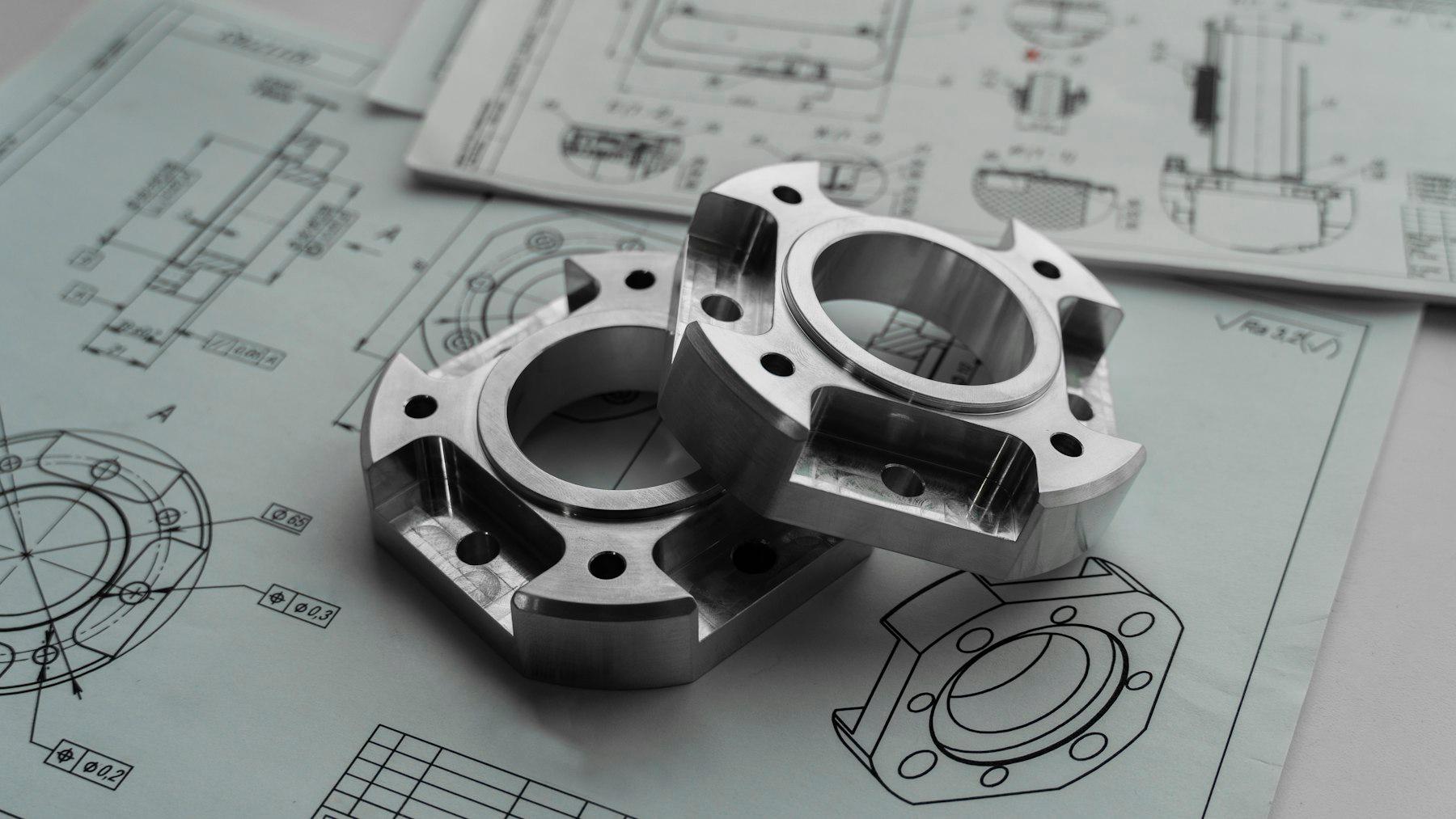
Two machined metal parts resting on engineering drawings

What does a mechanical engineer do all day?

BLS describes mechanical engineers as designing, developing, building and testing mechanical and thermal sensors and devices. In practice that means modelling parts in CAD, running stress and heat analyses, building prototypes and testing them until they fail in the right way. Work spans HVAC, engines, robotics and medical devices.
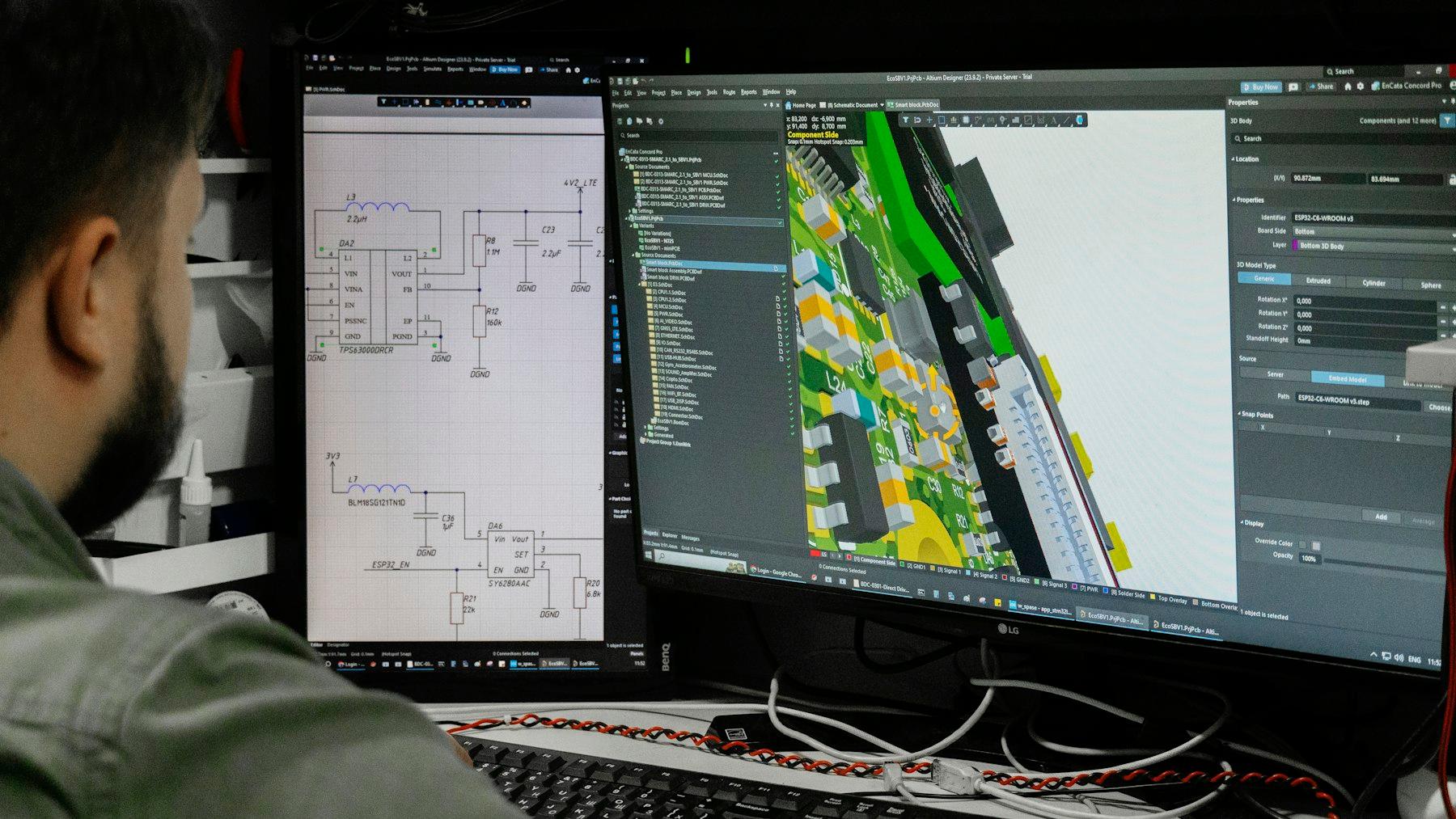

An engineer reviewing a circuit board layout on two monitors

What does an electrical engineer do all day?

Electrical engineers design, develop and test electrical equipment, from motors and power systems to navigation and communications. Days split between schematics and simulation, load and fault calculations, and the lab bench or the substation, where designs are commissioned. Electronics engineers lean toward circuit boards and signals.

Mechanical vs electrical: common questions

Which pays more, mechanical or electrical engineering?

Electrical does, at the median. BLS put the median for electrical and electronics engineers at $125,040 in May 2025, against $104,110 for mechanical engineers. Both ranges overlap widely: the top 10% of mechanical engineers earned more than $164,340, above the median for either field.

Which is harder, mechanical or electrical engineering?

Most students find electrical more abstract, because you cannot see current or fields, and the maths (complex numbers, transforms, signals) arrives early. Mechanical is more visual but heavy on mechanics, thermodynamics and fluids. Neither is easy; pick the one whose homework you would rather do.

Can a mechanical engineer work in electrical engineering?

Partly. Mechatronics, robotics, controls and electric vehicles sit between the two, and many mechanical engineers work there. Designing power systems or circuits professionally usually needs an electrical background, and a PE in Power requires passing that exam.

Is there more demand for mechanical or electrical engineers?

BLS projects faster growth for mechanical engineers (11%) than for electrical and electronics engineers (8%) from 2025 to 2035, with about 17,800 and 16,300 openings a year. Both are classed as much faster than the 3% average for all occupations.

Still undecided? Try the six-question discipline finder.